
A theory
“There is no such thing as bad publicity.”
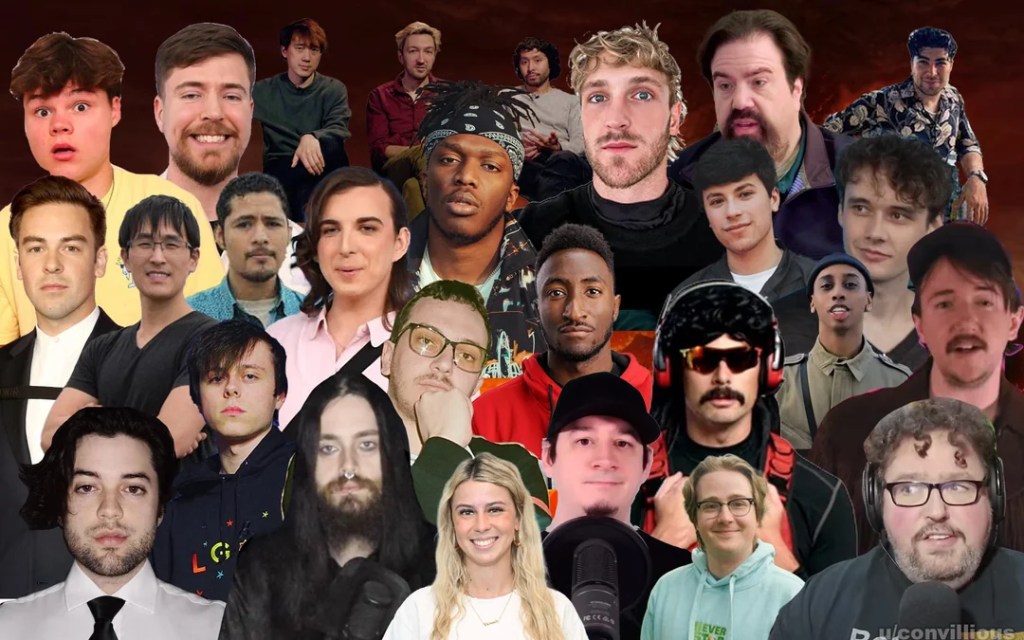
Anyone can become a YouTuber. However, it takes a special YouTuber to amass millions of views over controversial content. Whether it’s lying about an oddly high spice tolerance, Trolling viewers about your weight in Mukbang videos, or being a self-proclaimed “girls-girl,” there really is no end in sight to what anyone will do for fame…or infamy.
If creators like these managed to impact your opinion on them (whether negatively or positively), they’ve done their job.
They’ve managed to grab your attention…and randomly show up on your social media feed as suggested content. They’ve influenced you. And they make you believe they are self-proclaimed “experts” or “pros” in their content (if you are naive enough.)
The theory (even if it’s obvious) is that problematic content creators make content to reach a goal, good or bad. The public may not know why but there is always a hidden meaning behind content.
For example:
Content creators like Ramizein admitted that he does not like spicy food. Every spice tolerance video he posted was fake. It was all for views to get signed to an acting agency.
Logically (and with conscience), if you look at Ramizein’s content, how could you not think that at least some of his “no reaction” videos were fake?
By watching the video above, common sense says this is not real. It is dangerous and hazardous. Who in their right mind would add so many extremely spicy toppings to a jalepeño? Especially, to eat it for views to fool the viewer as if it were all done without any reaction? Even if Ramizein were part of the 83 percent of people from New Mexico (which has a higher-than-average spice tolerance), this video shows a conscious viewer just enough to know that this is clickbait.
(And would most likely require immediate medical assistance after consumption. But you already know he did not eat what he presented in his videos.)
Typically, many of the spice dressings (or foods) Ramizein consumed have health risks. Just by researching ONE of the many sauces he consumes, there is a disclaimer:

Ramizein has accumulated over a million subscribers on YouTube. Whether those millions of people speculated about his content, many still enjoy watching his videos, especially after knowing that they were faked. (Maybe it was for the better.)
The next YouTuber on this list is Jazmin Tan, a self-proclaimed “girls-girl,” with around 2.5 million followers on YouTube, who has been exposed for her toxic femininity.
If you haven’t seen any of her videos, for context, this is most of her content:
It didn’t take long for the YouTube public to realize that she is not who she claims to be on her channel. At a glance, Tan’s content is catered towards female empowerment however, she may not be going about it in the most sincere way. YouTuber “CocoCrazy” also made a video about Jazmine Tan regarding her toxic femininity and hypocritical content. If you do a deep-dive into Tan’s content, it won’t take long to realize that it is problematic. One of the main issues viewers have with her videos is that she consistently puts men down to build women up.
In response to the backlash, Tan posted an apology video on YouTube, taking full accountability for her actions, which she explains here:
Admittedly, it’s difficult to see any YouTuber apology video as sincere. Apology videos mean nothing after damages have been done. So, say what you will about her apology…
In one of her first posts on YouTube, she described what her channel will mainly consist of. She captioned, “On my channel you’ll see videos about self-love, women empowerment, beauty tips and etc. If you are looking for inspiration, I am here for you. Thanks for stopping by and I hope you enjoy!”
It seemed as if Tan had good intentions from the start. However, good intentions don’t always lead to successful outcomes.
Even Nikocado Avocado (no need to explain) managed to troll almost everyone on YouTube.
Just watch his “Two Steps Ahead” video for more context. It has 50 million views.
Originally a vegan content creator, Nikocado shifted to creating Mukbang content where he’d consume large amounts of food. Ultimately, weighing up to 411 pounds at his heaviest. It was only last year when he shocked the world with his 250 weight loss transformation.
Here is a video showcasing his Mukbang content:
In a blog post, The NewsHouse.com said, “In both the original and current reveals of his experiment, Perry details the real reason for secretly hiding his weight loss: to show his viewers how they’ve fallen victim to consumer culture. “People will consume these stories year after year…stories that influence the ants, stories that brainwash the ants. You are the ants,” he said.
In his email to the Times, he elaborated further: “In reality, people become completely absorbed with internet personalities and obsessively watch their content. That is where a deeper level of over-consuming lies, and it’s the parallel I wanted to make. ””
Each of the YouTubers listed has (or had) an end goal when it comes to making content. Even if it is almost unbearable to watch, or borderline clickbait, they have managed to impact a percentage of the public. As a result, they may be even closer to reaching their goal because they have gained millions of followers/views. The main goal may not be monetization, but that is a plus when it comes to viral content. Some creators (such as Logan Paul) even end up having semi-successful careers after their YouTube controversy.
There is no doubt that creators use social media to their advantage to leave a lasting impression. Nonetheless, despite how problematic famous (or infamous) YouTubers are, lessons will be learned which will lead to a new generation of content creation.
 The 21st Century Girly Blog