
(And no, it’s not Taylor Swift)
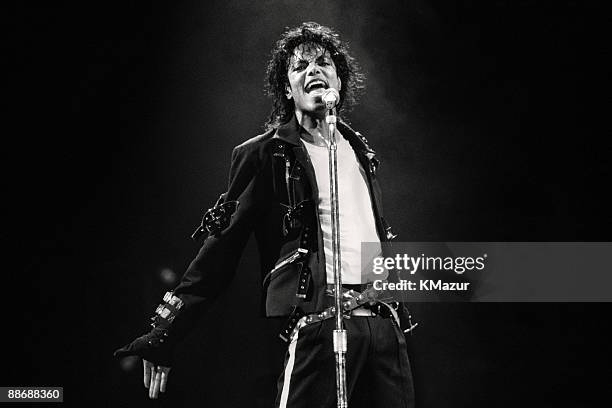
Yes, being born in the early ’90s to early 2000s is a cultural flex. It was a time when music icons didn’t just dominate charts—they shaped identities. Artists like Britney Spears, Ne-Yo, Usher, and Justin Timberlake weren’t just popular; they defined eras and influenced how an entire generation dressed, danced, and expressed themselves. Even legends like Michael Jackson left an undeniable imprint on the music industry, reaching beyond millennials and shaping Gen Z in ways that are still prevalent today.
Yes, everyone loves to listen to Good Luck Babe! and Espresso, but not as much as people loved to listen to Michael Jackson.
Gen Z doesn’t have a music icon as legendary as Michael; Nor will they ever.
Simply put: the world/industry that made Michael Jackson doesn’t exist anymore.
That isn’t necessarily a knock on Gen Z—it’s a reflection of how the music industry, sound, and taste have shifted with each generation. Nowadays, we are seeing more industry plants than ever. Think of “artists” like Ice Spice. She blew up out of nowhere. Literally. Now, where is she?
The way music is created, consumed, and marketed today is fundamentally different, leaving less room for artists to reach the kind of universal, era-defining status their predecessors achieved. (Think of songs like Thriller or Black or White).
While many argue that music is purely subjective, there has always been a standard—craftsmanship, vocal ability, originality, and cultural impact—that separates good music from forgettable hits. When music becomes more about virality than longevity, that standard starts to blur, and fewer artists leave a lasting imprint.
Like… who’s going to remember Boy’s A Liar 20 years from now, or Good 4 u or even Manchild?
For example, this is how Billie Eilish became famous: By being a viral Soundcloud artist who defined a “new genre” of ‘bedroom’ pop or alternative music. Let’s not forget that she has her brother Finneas (as a writer/producer) to thank for her success in the industry.
In her defense, Gen Z music has always been about relatability and exploration. A simple Google search will show that artists like Olivia Rodrigo, Tate McRae, Sabrina Carpenter, and Chapelle Roan are regarded as top Pop and Cultural icons, whereas artists such as Post Malone, Drake, and Kendrick Lamar are the most influential.
One thing that these artists have in common is that they all reshape the algorithm. The algorithm that comes from TikTok, Niche artists on Spotify, and micro genres.
Basically, these artists aren’t changing the world with their music, at least not like Michael Jackson did. Not to take away their impact (because they are changing modern-day music), it’s just that the world did, in fact, stop for Michael.
The world doesn’t stop for Sabrina Carpenter or Drake. The world keeps spinning, and the industry keeps looking for the next best artist.
To compare, Michael became famous during a time when almost everyone was watching the same shows, radio stations, and buying the same records. Musicians were idolized (larger than life). In addition, fame was “diluted” or “rare” in comparison to today’s day in age where everyone is an influencer (whatever that means).
To add, the word “famous” gets tossed around so loosely in this era that influencers are reaching “fame” status for not really having many talents that true and genuine artists have that took years to cultivate. Also, Gen Z artists are more accessible (fan service, meet and greets, pop-ups) and less “mysterious,” thus lowering their “legend” status.
Similar to K-Pop music companies (which Michael basically set the standard for), labels used to invest years crafting an artist’s sound, image, performances, and legacy. Michael was trained from childhood, pushed relentlessly, and shaped into a once-in-a-generation performer. However, he was born with a gift (raw ability) that was carefully cultivated—and ultimately changed the world. Not to take away from amazing performers such as Tate McRae, the Michael Jackson era was just different. (With the help of producers like Quincy Jones).
Today, Gen Z music is easily replicable, unlike Michael’s. No one can produce music as authentic as hits like Dirty Diana or Human Nature without it sounding like a Michael Jackson sample or inspiration.
Now, industries chase virality and lean on rebrandings to achieve a new level of fame. Examples include Sabrina Carpenter, Addison Rae, Zara Larsson, Tate McRae, SZA, etc…
Despite Michael having many rebrands (Jackson 5, “Off the Wall”, “Thriller”), most of them were evolutionary, unlike new rebrands that are hit-or-miss and tend to come and go like phases. Michael’s rebrands shifted cultures while keeping his legendary image throughout his career.
Sure, anyone can say that Taylor Swift and Chapelle Roan impacted cultures to an extent, but Michael truly touched people’s hearts with his sound and presence.
And despite his scandals, Michael Jackson was truly larger than life. Metric-wise, he excelled in vocals, dance, performance, visuals (to an extent), global reach, and cultural impact.
Today, success can be built on a sound, a vibe, a look, or even one viral moment. That doesn’t mean Gen Z won’t have stars—it just means the likelihood of anyone reaching Michael Jackson–level aura is very low.
Michael’s music was for everybody. The same can’t be said about songs like exes, or Watermelon Sugar that are constantly replayed to push a hit. Not to mention how social media has largely impacted access to music. Now everyone is a “starving artist.”
Back then, stars were born. Now they’re made.
 The 21st Century Girly Blog